

For many, deciding whether to wear an undershirt beneath a dress shirt is a matter of personal preference, but it also holds several practical implications. In this article, we will explore the reasons for and against wearing an undershirt, discussing not only personal comfort but also style and functionality. Understanding these considerations can help you make the best choice for your specific needs and circumstances.
The Case for Wearing an Undershirt

Wearing an undershirt can provide numerous benefits, both in terms of comfort and utility. Firstly, an undershirt acts as a barrier between your skin and the dress shirt, absorbing sweat and preventing stains. This can greatly extend the life of your dress shirt, protecting it from the wear and tear of regular washing. For people with sensitive skin, an undershirt can also prevent irritation caused by rough materials of dress shirts.
Moreover, undershirts can add an extra layer of warmth during colder months. This is especially beneficial for individuals residing in colder climates who need to maintain both formality and comfort. Furthermore, if you opt for a fitted undershirt, it can help smooth out your silhouette, giving you a more streamlined appearance under close-fitting dress shirts. In summary, undershirts can enhance your overall comfort and maintain your professional appearance in numerous ways.
The Argument Against Wearing an Undershirt
While there are certainly benefits to wearing an undershirt, there are several arguments against it as well. One major concern is the potential for added bulkiness, which can disrupt the sleek look of a well-fitted dress shirt. For those especially conscious of their appearance, an undershirt can sometimes create visible lines that interfere with a polished look.
Additionally, the wrong choice in undershirt material or color can actually exacerbate sweat issues rather than solve them. Certain synthetic materials may not breathe well, leading to increased perspiration under multiple layers. Moreover, if the undershirt color contrasts with a lighter dress shirt, it can become easily visible, distracting from an otherwise seamless outfit. Therefore, selecting the right undershirt is crucial if you do choose to wear one.
Types of Undershirts
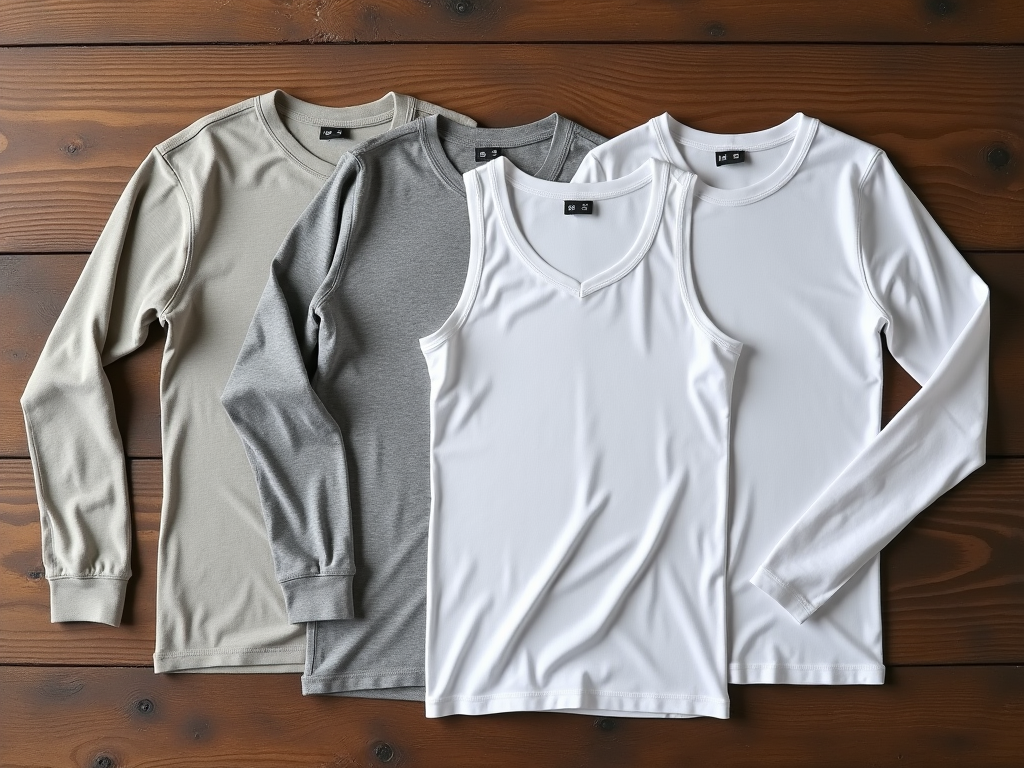
Choosing the correct type of undershirt is vital to ensure both comfort and concealment. Here’s a list of some popular undershirt options:
- Crew Neck: Ideal for wear with fully buttoned shirts, providing complete concealment.
- V-Neck: Perfect for shirts worn with an open collar, preventing exposure of the undershirt.
- Tank Top: Offers minimal coverage, suitable for warmer climates but may not adequately protect dress shirts from sweat.
- Long Sleeve: Great for added warmth, but requires careful pairing to avoid peeking under dress shirt cuffs.
Understanding the different available options and selecting based on your personal needs and wardrobe is key to achieving the desired look and comfort level. Each undershirt type presents specific benefits and potential drawbacks, which must be considered in the context of your daily attire.
There are specific scenarios where it might be better to forgo the undershirt entirely. For instance, when attending a summer event outdoors, the primary goal is to stay cool. Here, eliminating an extra layer might enhance comfort and breathability. Similarly, if you are wearing a dark or thick, patterned dress shirt, the risk of sweat stains or visibility through the fabric diminishes.
Another situation might involve wearing a dress shirt with an impeccably tailored fit. In these cases, avoiding an undershirt can maintain the shirt’s intended silhouette without interference. Therefore, when deciding whether to wear an undershirt, consider the environment, weather, and specifics of your chosen outfit to make an informed decision.
Conclusion
Ultimately, the choice to wear or not wear an undershirt with a dress shirt depends on a combination of factors, including personal preference, climate, the specific outfit, and its intended use. Both options have their advantages and disadvantages, and the decision should reflect your need for comfort, appearance, and practicality. By carefully weighing the benefits and potential drawbacks, you can determine the best choice for any given occasion, ensuring that you strike the perfect balance between style and utility.
Frequently Asked Questions
1. Do undershirts come in different materials?
Yes, undershirts are made from a variety of materials, including cotton, microfiber, and bamboo. Each material offers different levels of comfort, breathability, and sweat absorption.
2. How do I choose the right color for an undershirt?
Select an undershirt color that closely matches your skin tone or is neutral (like white or gray) to prevent it from showing through your dress shirt.
3. Is it necessary to wear an undershirt year-round?
No, whether or not you wear an undershirt can vary depending on the temperature and your comfort needs. During hotter months, you may opt to skip it, while it might be beneficial during colder times.
4. Can wearing an undershirt make sweat stains worse?
If the undershirt material isn’t breathable or if it retains moisture, it could potentially worsen sweat stains. Choosing the right fabric is crucial in this regard.
5. Should I size my undershirt the same as my regular shirts?
Typically, undershirts should be more fitted than regular shirts to prevent fabric bunching under your dress shirt. It’s advisable to choose a size that fits snugly.
 English
  Romanian