
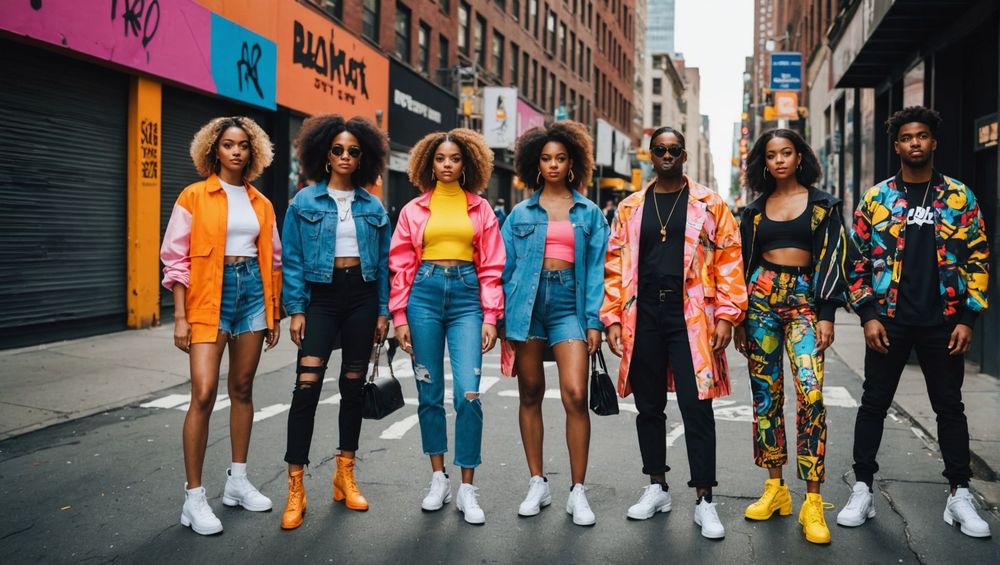
Fashion is not just about clothing; it is a statement of culture, lifestyle, and creativity. Certain cities around the globe have established themselves as fashion capitals, showcasing innovative designs, luxury brands, and unique street styles. This article delves into the top fashion cities that inspire trends, attract designers, and influence the international fashion scene.
1. Paris: The Heart of Haute Couture
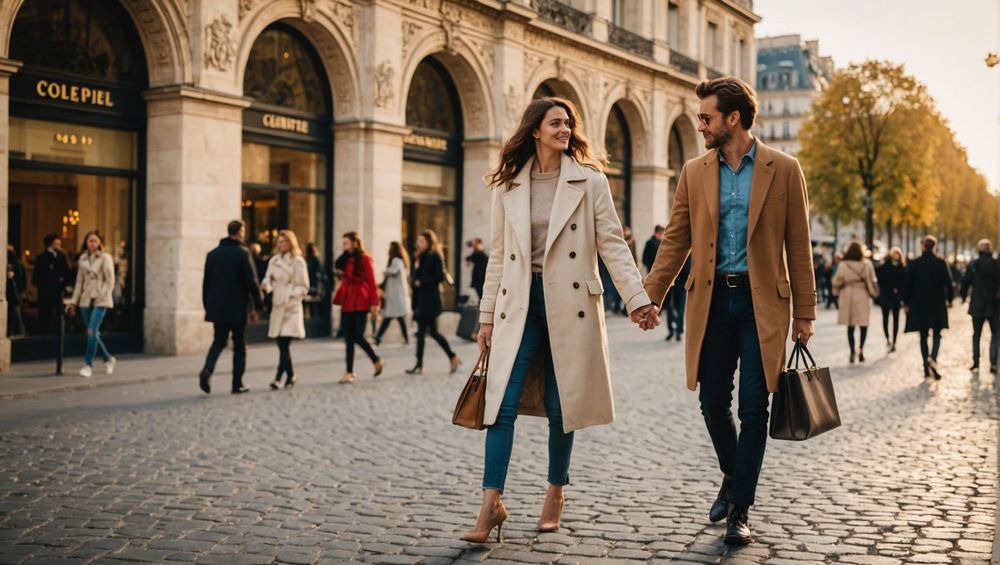
Paris is often hailed as the fashion capital of the world, home to iconic designers and luxury clothing lines. The city is famous for its haute couture houses, like Chanel, Dior, and Givenchy, that define elegance and refinement. Fashion weeks held twice a year attract global attention and feature the latest collections, making it a playground for fashionistas and industry insiders alike. Strolling through the streets of Le Marais or the Champs-Élysées, one can observe the quintessential Parisian style—effortlessly chic and always on trend.
In Paris, fashion is intertwined with art and history. Museums such as the Musée des Arts Décoratifs house extensive collections that showcase the evolution of fashion through the ages. Furthermore, established fashion schools like the École de la Chambre Syndicale de la Couture allow emerging talent to thrive and contribute to the city’s vibrant design landscape. It’s no wonder that many consider Paris not just a fashion city, but a pilgrimage site for those passionate about style.
2. Milan: The Epitome of Elegance
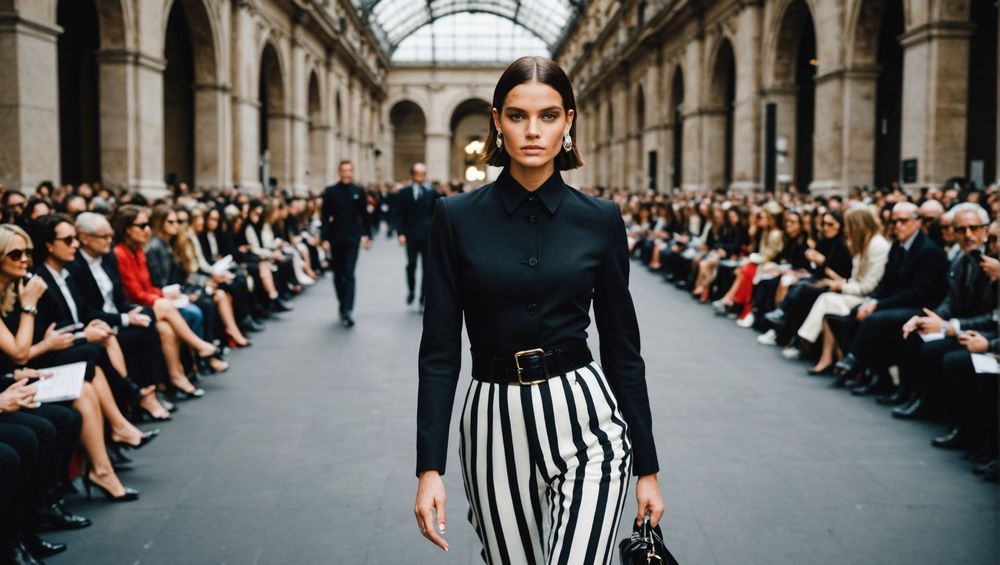
Milan stands as the Italian fashion capital, renowned for its sophisticated designs and luxurious fabrics. With brands like Gucci, Prada, and Versace calling Milan their home, it serves as a hub for high fashion and craftsmanship. The city’s Fashion Week, one of the industry’s most prestigious events, showcases innovative collections that set trends for the season ahead. Additionally, the Quadrilatero della Moda, or Fashion Quadrilateral, features chic boutiques and flagship stores that attract shoppers from around the world.
Milan is also the birthplace of innovative fashion concepts and styles, combining classic techniques with modern aesthetics. The city’s rich cultural history resonates through its fashion offerings; one can see inspirations taken from art movements and Italian heritage. Visual art plays a significant role in creating the visual storytelling that is at the heart of Milanese design. Alongside fashion exhibitions and events, visitors can immerse themselves in a lifestyle that encapsulates the essence of Italian elegance.
3. New York City: The Diverse Fashion Metropolis
New York City is a melting pot of cultures, a characteristic that distinctly influences its fashion landscape. The city is home to renowned designers like Ralph Lauren, Calvin Klein, and Marc Jacobs, who draw inspiration from its vibrant street style and multicultural environment. New York Fashion Week, the first major fashion week in the world, sets the stage for new trends with a focus on ready-to-wear pieces that appeal to a wide audience. In comparison to European fashion capitals, New York often leans towards practicality rather than pure haute couture.
Beyond traditional fashion, the city thrives on subcultures and avant-garde styles. Areas like Williamsburg in Brooklyn and SoHo are bursting with thrift shops, independent designer boutiques, and fashion-forward individuals who push boundaries. This diversity creates an exciting atmosphere where creativity knows no limits, making NYC a hotspot for trendsetters and influencers alike. The energy of this bustling metropolis provokes constant innovation, keeping the fashion scene fresh and dynamic.
4. London: The Bold and the Eclectic
London is synonymous with diversity and has a reputation that contrasts with the polished styles of Paris and Milan. The city embraces the edgy and unconventional, showcasing designers like Alexander McQueen, Vivienne Westwood, and Burberry. London Fashion Week reveals boundary-pushing designs that express individualism and challenge traditional fashion norms. The streets of London reflect this spirit, filled with eclectic styles and artistic expressions that create a unique fashion narrative.
The impact of London on streetwear cannot be overstated. Areas like Camden Market and Shoreditch are famous for their thrift shops, vintage finds, and fierce local talent. This underground fashion scene celebrates creativity, often spotlighting emerging designers who promote sustainability and ethical practices. Overall, London’s fashion landscape thrives on individuality, where personal style is celebrated and innovation is encouraged.
5. Tokyo: The Avant-Garde Wonderland
Tokyo stands out as a global fashion city that celebrates avant-garde and experimental designs. Known for its district of Harajuku, the city showcases quirky street fashion that is often ahead of its time. Designers like Issey Miyake and Yohji Yamamoto have made significant contributions to the world stage, challenging conventions with their bold visions. Tokyo’s fashion scene blends tradition with the hyper-modern, offering a unique cultural experience that cannot be found elsewhere.
Fashion in Tokyo is heavily influenced by subcultures that continually evolve. The city is famed for its various styles, such as Gyaru, Lolita, and visual kei, each representing distinct ways of personal expression. Shibuya and Shinjuku are bustling areas where one can witness this eclectic amalgamation of styles. The city’s emphasis on technology also pushes boundaries, incorporating digital aspects into fashion, including virtual runway shows and online retail experiences.
Conclusion
The world’s top fashion cities—Paris, Milan, New York, London, and Tokyo—each possess unique characteristics and contributions to the global fashion landscape. From haute couture elegance in Paris to the avant-garde spirit of Tokyo, these cities not only influence trends but also shape cultural identity. As fashion continues to evolve, these cities will remain at the forefront of innovation, inspiring designers and fashion enthusiasts for generations to come.
FAQs
- What makes Paris the fashion capital?
Paris is home to luxury haute couture houses and hosts Fashion Week, attracting global attention. Its cultural influence and rich history in design make it a beacon for fashion enthusiasts. - Why is Milan considered a fashion hub?
Milan combines sophisticated design with Italian craftsmanship, featuring iconic brands and events that set trends each season. - How does New York City influence fashion?
NYC’s diverse culture generates unique street styles, with a focus on ready-to-wear clothing that appeals to a broad audience. - What is London known for in fashion?
London is recognized for its eclectic and edgy designs that defy conventional fashion norms, heavily influenced by subcultures. - How has Tokyo shaped the fashion scene?
Tokyo’s avant-garde and experimental approach to fashion makes it a center for innovative styles, blending tradition with modernity.
 English
  Romanian