

When it comes to dressing for work in many modern environments, nailing the business casual look can be a bit tricky. Business casual is a style that straddles the line between formal business wear and casual everyday attire. This article will break down what business casual means for men, providing specific guidelines on how to dress appropriately, wherever your office may be.
Understanding Business Casual
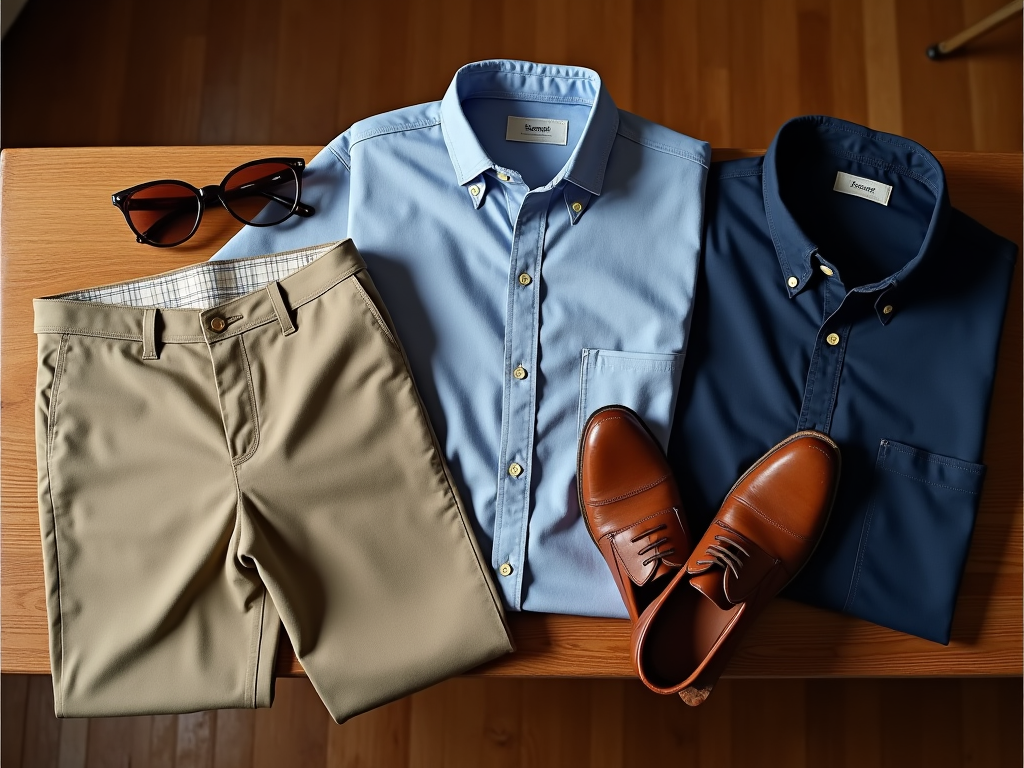
Business casual is often misinterpreted, with interpretations ranging from jeans and T-shirts to suits without ties. However, the essence of business casual lies somewhere in between — it’s about mixing polished, professional items with more relaxed pieces. The aim is to look sharp yet approachable, striking a balance that suits a variety of professional settings.
Generally, business casual for men can include a variety of garments. This might involve items like tailored trousers paired with collared shirts, blazers, or pullovers. Avoid overly formal pieces such as full suits or ties, as well as overly casual items like distressed jeans or graphic tees.
Key Pieces for Business Casual Wardrobe
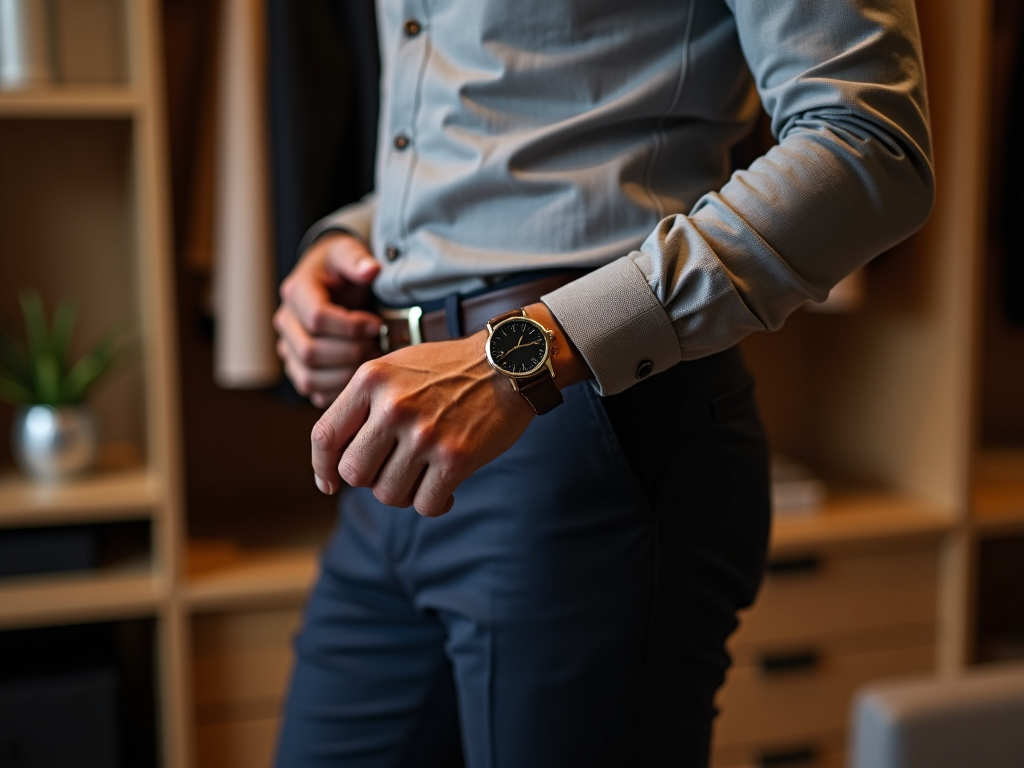
Building a business casual wardrobe requires selecting versatile pieces that can be mixed and matched with ease. Here are some essential items every man should consider:
- Dress Shirts: Opt for button-downs in neutral or subtle colors. Think navy, light blue, grey, or muted patterns.
- Trousers: Look for tailored chinos or slacks in comfortable shades like khaki, grey, or black.
- Blazers: A well-fitted blazer in a classic color elevates any outfit.
- Sweaters: V-neck or crew-neck sweaters can layer over shirts for a polished yet relaxed look.
- Shoes: Stick with leather loafers, oxfords, or brogues.
These key pieces form the foundation of a business casual wardrobe, allowing for versatile outfitting options that are both stylish and comfortable.
Accessories can speak volumes in a business casual ensemble without overpowering the overall look. It’s important to keep these minimalistic yet effective:
- Belts: Match your belt color to your shoes for a cohesive look.
- Watches: A classic wristwatch is both functional and fashionable.
- Ties: Opt for a tie that complements your outfit, although ties are generally optional in business casual.
- Bags: Consider a versatile leather messenger bag for carrying essentials.
Remember, the devil is in the details — small additions like these can enhance the sophistication and maturity of your outfit without making it overly formal.
Do’s and Don’ts of Business Casual
Understanding what not to wear is as crucial as knowing what to include in your wardrobe. Here’s a quick guide to ensure you’re on the right path:
- Do: Pay attention to fit. Well-fitted clothing instantly elevates the appearance.
- Do: Keep colors coordinated and complementary; neutrals usually work best.
- Do: Invest in quality over quantity. Durable, well-made pieces will last longer.
- Don’t: Wear overly casual items like athletic shoes, flip-flops, or hoodies.
- Don’t: Ignore grooming. A well-kept appearance is key to pulling off any look.
By following these guidelines, you ensure that your business casual wear communicates professionalism with a touch of personal style.
Crafting the Right Business Casual Look
Now that we’ve covered the essentials of what goes into a business casual wardrobe, let’s talk about how to put it all together. Crafting the right look entails more than just the clothes you wear; it’s about how you wear them.
- Choose a neutral base: Start with neutral trousers and build your outfit from there.
- Add a well-ironed collared shirt: This creates a clean, polished base.
- Incorporate a layer: Depending on the season, add a pullover, sweater, or blazer.
- Select appropriate footwear: Match your shoes with the level of formality in your outfit.
- Finalize with accessories: Keep them subtle to enhance rather than overwhelm your outfit.
Each of these steps contributes to a cohesive and intentional look, demonstrating an understanding of the business casual style.
Conclusion
Mastering business casual can profoundly affect your professional presence and comfort throughout the workday. By combining key wardrobe pieces and adhering to accepted do’s and don’ts, men can convey confidence and sophistication without losing a personal touch. Remember, the goal of business casual is to maintain professionalism while reflecting an individual’s style.
Frequently Asked Questions
What is business casual for men?
Business casual for men involves wearing clean, professional clothing that is less formal than traditional business wear, such as slacks and a button-down shirt, potentially with a blazer.
Can jeans be considered business casual?
In some workplaces, including dark, well-fitted jeans can be acceptable in a business casual setting, but it’s essential to assess the specific company culture first.
Are sneakers appropriate for business casual?
Generally, sneakers are not regarded as business casual unless they are exceptionally sleek, minimalist in design, and paired correctly with the rest of the outfit.
Is a tie part of a business casual outfit?
Ties are typically optional in a business casual wardrobe and should be selected based on how formal you want your look to appear.
How should I choose colors for business casual attire?
Opt for neutral colors like navy, grey, and brown. These classic shades are versatile and suitable for most professional environments.
 English
  Romanian