

In a world increasingly conscious of sustainability, vegan leather alternatives are revolutionizing the fashion industry. These innovative materials are not only eco-friendly but also offer the luxury and aesthetics similar to traditional leather. With numerous brands shifting their focus towards sustainability, it’s essential to explore five noteworthy vegan leather alternatives that are making a significant impact. Each of these materials boasts unique properties, making them appealing to both fashion designers and eco-conscious consumers alike.
1. Piñatex: The Pineapple Leather
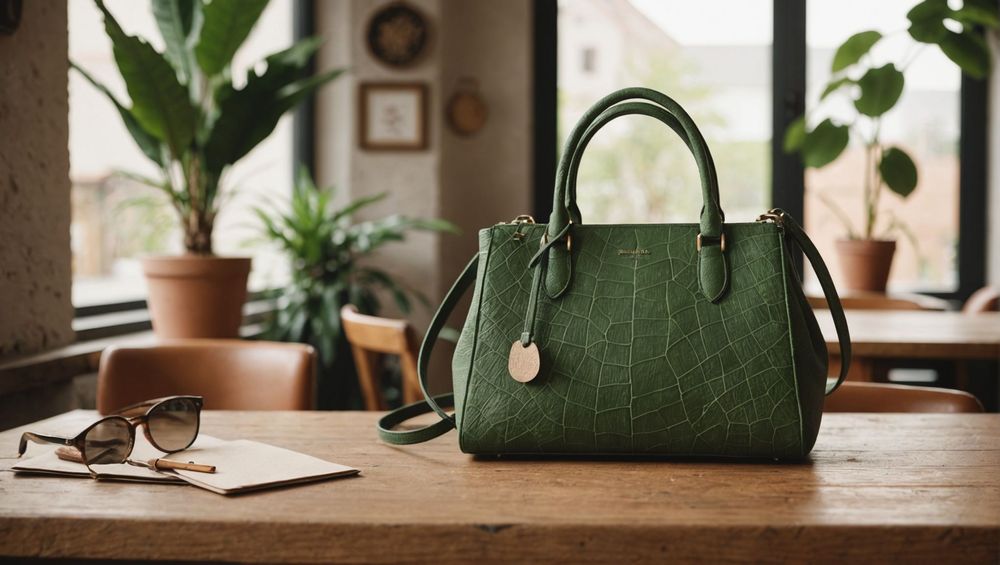
Piñatex, a groundbreaking material made from pineapple leaf fibers, provides an innovative vegan alternative to traditional leather. This sustainable product is derived from the leftover leaves of pineapple harvests, reinforcing the notion of recycling agricultural waste. It offers a robust and breathable texture, which makes it suitable for a variety of fashion applications, including bags, shoes, and jackets. Fashion brands such as Hugo Boss and Stella McCartney have already embraced Piñatex in their collections, showcasing its versatility and appeal. Additionally, the production of Piñatex supports local communities and creates sustainable jobs in the pineapple farming regions. Overall, this pineapple leather not only looks great but also tells a story of sustainability and ethical sourcing.
2. Mylo: The Mushroom Leather
Mylo, developed by the company Ecovative, is a revolutionary material that resembles leather but is made from mycelium—the root structure of mushrooms. This innovative product biodegrades naturally and is grown in a matter of weeks, making it a highly sustainable alternative to conventional leather. Mylo has garnered attention for its soft and luxurious feel and has been incorporated into products by high-profile brands like Adidas and Stella McCartney. The potential for mass production and quick growth cycles makes Mylo not only eco-friendly but also a practical choice for fashion designers. Mylo sets a new standard in vegan leather, proving that sustainable materials can align with high fashion. Moreover, it offers an opportunity for brands to reduce their environmental footprint while offering stylish products.
3. Apple Leather: The Fruity Fashion Statement
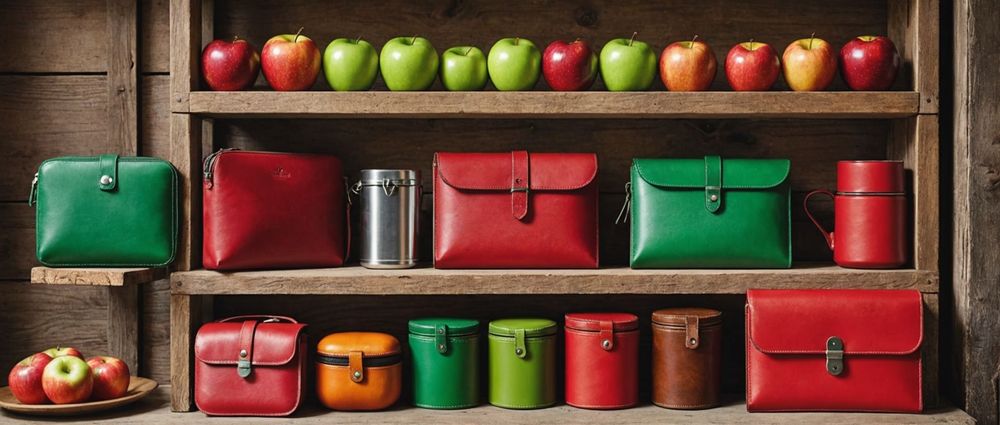
Apple leather, derived from the waste generated by the apple juice industry, is another exciting vegan alternative that has recently made waves in fashion. This innovative material utilizes the peels and cores of apples, which would otherwise become waste, to create a soft and durable leather-like fabric. Companies like Nuuwaï have begun to incorporate apple leather into their designs, highlighting both its aesthetic appeal and ethical credentials. With a production process that minimizes waste and promotes circularity, apple leather creates a new narrative for sustainable materials in fashion. Additionally, it offers a lightweight and breathable option, making it suitable for accessories and garments alike. The rise of apple leather signifies a shift towards using food waste to create admirable fashion statements.
4. Recycled Plastic: From Waste to Wardrobe
Recycled plastic is increasingly being used as a vegan alternative to leather, particularly in the form of fabrics like rPET (recycled polyethylene terephthalate). This material is made from post-consumer plastic bottles, giving new life to waste that would otherwise pollute the planet. Brands like Reformation and Rothy’s have successfully utilized recycled plastic to create stylish footwear and apparel, proving that sustainability can coexist with trendy designs. The durability and versatility of recycled plastic make it suitable for a wide range of applications, from handbags to jackets. By contributing to the circular economy, recycled plastic not only reduces environmental impact but also promotes responsible consumerism. The support for recycled plastic as a leather alternative showcases the fashion industry’s commitment to addressing global plastic waste challenges.
5. Cork Leather: Durable and Eco-Friendly
Cork leather, sourced from the bark of cork oak trees, provides a sustainable and stylish alternative to traditional leather. This material is harvested without harming the tree, making it an incredibly renewable resource as the tree can continue to live and grow for over 200 years. Cork leather is lightweight, water-resistant, and possesses natural insulating properties. It has been embraced by numerous eco-conscious brands for products ranging from shoes to bags. In addition to its durability and aesthetic qualities, cork also has a lower carbon footprint compared to conventional leather production. As more designers explore vegan alternatives, cork leather stands out for its unique texture and environmental benefits.
Conclusion
The fashion industry is undergoing a significant transformation, propelled by the emergence of vegan leather alternatives. Materials like Piñatex, Mylo, apple leather, recycled plastic, and cork leather not only challenge the status quo of traditional leather but also promote sustainable practices that benefit the planet. As designers and consumers alike become more aware of their environmental impact, these innovative materials will undoubtedly shape a new era of fashion that prioritizes ethics and sustainability. Embracing these alternatives showcases a commitment to a more sustainable future, making it imperative for both consumers and brands to support the movement away from animal-derived materials.
FAQs
1. What is vegan leather made of?
Vegan leather can be made from a variety of materials, including synthetic plastics, natural materials like cork and fruit waste, and innovations such as mycelium and pineapple fibers.
2. Is vegan leather more sustainable than genuine leather?
Generally, vegan leather options like Piñatex and Mylo tend to have a lower environmental impact compared to traditional leather, as they often use less water and do not require animal farming.
3. How does vegan leather compare in terms of durability?
While some vegan leathers can be less durable than traditional leather, many alternatives such as cork and Mylo are designed to be long-lasting and resilient, making them suitable for everyday wear.
4. Can vegan leather be recycled?
It depends on the material. Some vegan leathers made from recyclable plastics can be processed again, while others may not be as easily recyclable. It’s important to check the specific type of vegan leather for recycling options.
5. Are there any drawbacks to using vegan leather?
Some consumers may find certain synthetic vegan leathers less breathable or comfortable than real leather. Additionally, some alternatives may still involve plastics, which come with their own environmental concerns.
 English
  Romanian